Off-Site Packaging
Packaging is often treated as an afterthought — a final step before a product reaches its destination. But the environment in which a product is packaged plays a significant role in determining whether it arrives in perfect condition. Specialised packaging facilities are purpose-built to eliminate the variables that compromise product quality, from contamination and damage to inconsistency and spoilage.
Controlled environments reduce the risk of contamination
In industries such as food production, pharmaceuticals, and electronics, contamination is one of the most serious threats to product integrity. Specialised facilities are designed with strict environmental controls — regulated temperature, humidity, and air filtration systems — that significantly reduce exposure to contaminants. These conditions are difficult, if not impossible, to replicate in a general-purpose warehouse or production setting.
Precision equipment ensures consistent packaging quality
One of the clearest advantages of a dedicated packaging facility is access to industry-specific machinery. Rather than adapting general equipment to suit a particular product, specialised facilities invest in tools calibrated for precision and consistency. The result is tighter seals, more accurate fill weights, and packaging that performs reliably — batch after batch. This level of consistency directly protects the product and builds consumer trust over time.
Trained staff bring specialist knowledge to every product
Equipment alone does not guarantee quality. The people operating within a specialised facility are trained specifically for the demands of their industry. They understand how different materials behave, how products must be handled, and where quality failures typically occur. This expertise reduces human error and enables faster identification of issues before they escalate into costly recalls or complaints.
Compliance with industry standards is built into the process
Regulatory compliance is a significant concern across many sectors, and specialised packaging facilities are structured to meet it. Whether adhering to food safety legislation, pharmaceutical good manufacturing practices, or environmental packaging regulations, these facilities build compliance into their standard procedures rather than treating it as an external obligation. This reduces the risk of costly violations and gives brands greater confidence that their products meet the requirements of their target markets.
Faster, more reliable turnaround supports supply chain performance
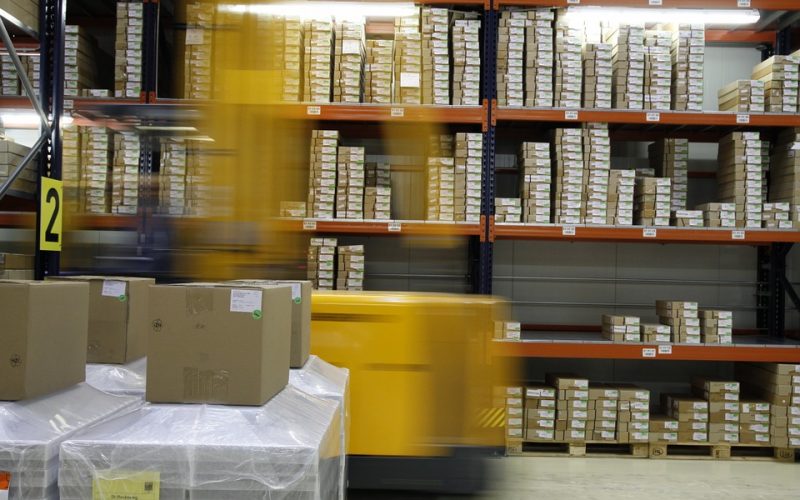
Product quality is not solely about what is inside the packaging — it is also about ensuring the product reaches its destination on time and in the right condition. Specialised facilities are optimised for efficient throughput, with workflows designed to minimise delays and reduce handling risks. This operational reliability has a direct impact on supply chain performance and, ultimately, the experience of the end consumer.
Investing in specialised packaging pays off
For businesses looking to protect product integrity and meet growing consumer expectations, specialised packaging facilities offer a clear return on investment. The combination of controlled environments, precision equipment, skilled staff, and built-in compliance removes many of the risks associated with standard packaging approaches. As quality standards continue to rise across industries, the decision to work with a specialised facility is becoming less of a competitive advantage and more of a baseline expectation.