The Art of Profit
When consumers walk down the aisles of a supermarket or browse an online store, they are met with a dizzying array of choices. In this highly competitive environment, a product must find a way to communicate its value within seconds. Packaging design serves as the silent salesperson, working tirelessly to capture attention and convey the brand's core message. It is far more than a simple container for protecting a product during transit. Strategic packaging acts as a fundamental driver of consumer spending, subtly influencing purchasing decisions through a combination of visual cues, tactile experiences, and psychological triggers. Brands that invest heavily in their packaging understand that the exterior is often the first and most critical touchpoint a buyer has with their product.
The psychology of colour and visual hierarchy
Colour remains one of the most powerful tools in a designer's arsenal for shaping consumer perception. Different hues evoke specific emotional responses and can instantly communicate the nature of the product inside. For instance, luxury items frequently utilise deep blacks, rich purples, or metallic accents to signal premium quality and exclusivity. Conversely, health and wellness products often rely on crisp whites and vibrant greens to suggest purity, vitality, and natural ingredients. Beyond colour, the visual hierarchy of the packaging ensures that the most important information catches the eye immediately. By guiding the consumer's gaze from the brand name to the key benefits, designers reduce cognitive load and make the decision-making process as effortless as possible.
Tactile elements and physical appeal
The physical structure and texture of packaging play an equally vital role in influencing buyer behaviour. When a consumer picks up a product, the tactile experience can confirm or contradict the visual promises made by the design. Heavy, solid containers often imply durability and high value, while soft-touch finishes can create a sense of intimacy and sophistication. Innovative structural designs that offer convenience, such as easy-pour spouts or resealable closures, add functional value that justifies a higher price point. This multisensory approach ensures that the packaging appeals to both the logical and emotional sides of the consumer's brain, transforming a routine purchase into an engaging physical interaction.
Building brand trust through transparency
Modern consumers are highly informed and increasingly sceptical of exaggerated marketing claims. Packaging design can bridge this trust gap by prioritising clarity and transparency. Minimalist designs that strip away unnecessary graphics and focus on straightforward typography often project honesty and confidence. Furthermore, packaging that features transparent windows allows the buyer to physically see the product before parting with their money, providing immediate reassurance of quality. Clear labelling of ingredients, sourcing locations, and nutritional information also caters to a growing demand for authenticity. When a brand uses its packaging to communicate openly, it fosters a sense of loyalty and encourages repeat spending from consumers who feel respected and informed.
Sustainability as a modern purchasing driver
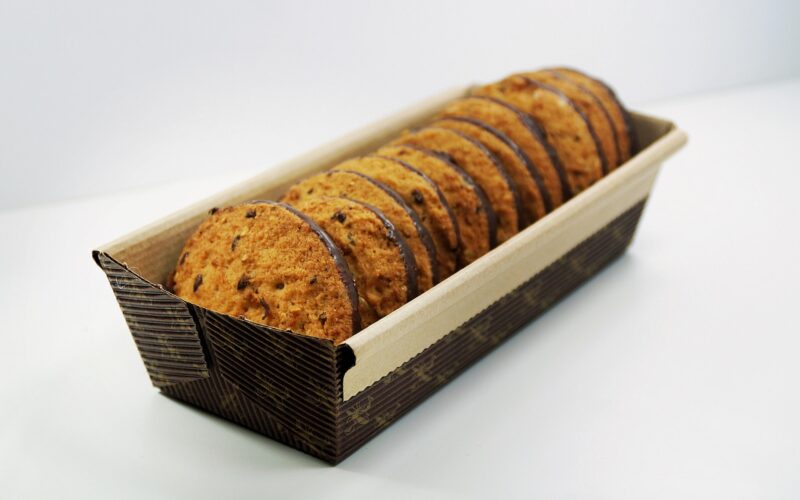
Environmental consciousness has fundamentally shifted how consumers evaluate packaging, making sustainability a critical factor in driving sales. Shoppers actively seek out products that align with their personal values, and excessive or non-recyclable packaging is increasingly viewed as a major deterrent. Brands that utilise biodegradable materials, minimalistic constructions, or easily recyclable components often gain a distinct competitive advantage. This commitment to the environment can be subtly communicated through the use of unbleached cardboard, earthy tones, and clear recycling instructions printed directly on the box. By aligning the packaging design with eco-friendly principles, companies not only reduce their ecological footprint but also attract a highly lucrative demographic of ethically minded buyers.
Securing long-term profitability through design
The relationship between packaging design and consumer spending is deeply intertwined with human psychology and market dynamics. Every element, from the choice of typeface to the texture of the material, contributes to a broader narrative that influences how much a shopper is willing to pay. As retail landscapes continue to evolve, the brands that succeed will be those that view packaging not as an afterthought, but as a core component of their marketing strategy. By consistently delivering designs that captivate attention, build trust, and reflect modern values, businesses can elevate their products above the competition. Ultimately, mastering the aesthetic and functional aspects of packaging is a proven pathway to maximising profitability and securing long-term commercial success.