The Impact of Packaging on Margins
Packaging is often viewed merely as a protective shell for goods in transit, but its role extends far beyond basic functionality. For businesses of all sizes, the materials and design chosen for packaging directly influence shipping costs, brand perception, and ultimately, the bottom line. When companies closely evaluate their operational expenses, packaging presents a hidden opportunity to optimise profit margins. By understanding the intricate relationship between packaging choices and financial performance, organisations can make strategic, data-driven decisions that boost their profitability while still delivering exceptional value and reliability to their consumer base.
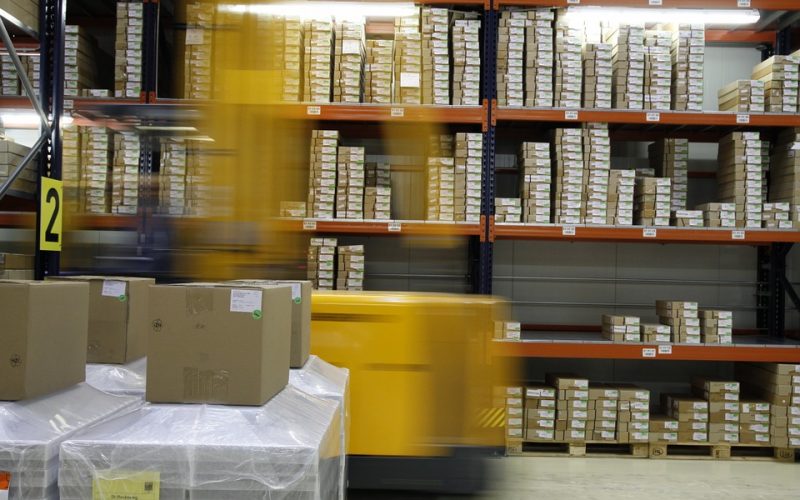
The physical dimensions and weight of product packaging play a massive role in logistics, warehousing, and freight charges. Delivery carriers determine shipping costs using dimensional weight pricing, which accounts for both the total size and the actual mass of a parcel. If a business consistently uses oversized boxes filled with excessive void fill, they essentially pay a premium for shipping empty space. Shrinking the package size to closely fit the product minimises these dimensional weight charges, leading to immediate and noticeable reductions in shipping expenditure. Over thousands of fulfilled orders, these marginal logistical savings compound into substantial financial gains.
Understanding material costs and sustainability
Beyond shipping logistics, the raw cost of packaging materials heavily dictates overall business profit margins. Sourcing premium, heavyweight materials might enhance the initial unboxing experience, but it can severely erode profitability if it is not carefully managed and monitored. Conversely, switching to lightweight, cost-effective alternatives does not necessarily mean compromising on product safety or aesthetic quality. Many commercial enterprises are now exploring recycled and sustainable packaging options, which are becoming increasingly affordable as global supply chain demand rises. Transitioning to these eco-friendly materials helps companies lower their material expenditure while simultaneously appealing to environmentally conscious consumers.
Furthermore, operational efficiency during the warehouse fulfilment process is directly tied to intelligent packaging design. Complex packaging formats that require intricate assembly and multiple taping stages slow down warehouse staff, significantly increasing labour costs and delaying crucial dispatch times. Streamlined, easy-to-assemble box designs allow workers to pack orders swiftly, safely, and accurately. This noticeable boost in productivity means fewer labour hours are required per individual order, thereby directly reducing business overheads. When a company actively simplifies its daily packing process, it maximises warehouse throughput and proactively safeguards its profit margins against rising wage costs and sudden operational bottlenecks.
Balancing protection with aesthetic appeal
Product damage during transit represents a significant threat to long-term profitability, making effective protective packaging an absolute necessity for any physical product business. When an item arrives broken or compromised, the business absorbs the total cost of the replacement product, the return shipping fees, and the potential permanent loss of a frustrated customer. Investing in appropriately durable packaging materials actively prevents these incredibly costly returns and refunds. However, businesses must strike a careful structural balance, ensuring they do not over-engineer their packaging. Using the exact amount of protection required avoids the unnecessary expense of surplus materials entirely.
Ultimately, packaging serves as the very first physical touchpoint between a brand and its remote customer, making it a vital marketing tool that can easily justify premium product pricing. A well-designed, thoughtful unboxing experience builds deep brand loyalty and strongly encourages repeat purchases, which naturally drives up average customer lifetime value. When customers feel they are receiving a premium, high-quality product right from the moment of delivery, they are often willing to pay a noticeably higher price. Therefore, treating packaging as a strategic marketing investment rather than a mere operational expense allows businesses to elevate their market positioning.
Embracing a comprehensive packaging strategy
As the ecommerce landscape becomes increasingly competitive, businesses can no longer afford to overlook the financial impact of their packaging strategies. Conducting regular packaging audits helps identify areas where material usage can be reduced and logistical efficiencies improved. By continuously refining box sizes and streamlining the packing process, companies can uncover new avenues for cost reduction. Embracing this comprehensive approach ensures that operations actively contribute to financial health, allowing businesses to maintain robust margins and invest confidently in their future growth.